
Pedagogy
A Music Verse
My heart, it beats, it gives me rhythm.
My voice, it speaks, it gives me song
But the most important gift? My ears.
They listen, and the must be strong.
In them I find my greatest teachers.
The more I listen, the more I hear,
The music in the world around me
Which in my heart, grows crystal clear
But I must listen very closely,
So that I may hear each note
For I was born to learn this music
And sing the songs that give us hope.
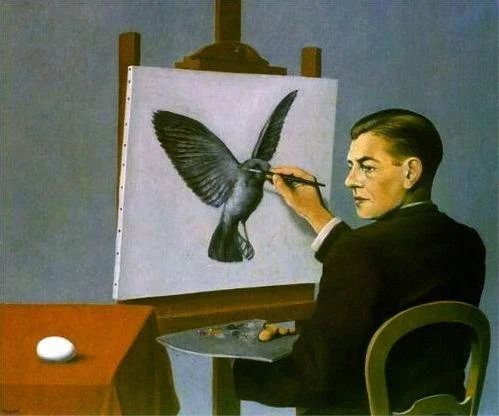
The verse above is one I composed in 2024 for my classes at Stone Bridge. It is recited at the start of each music class I deliver for grades 3-6. The idea behind the poem is one I hold dear: that each child has an inner teacher, i.e. the ability to discern for themselves what is true and good. In music, that discernment is auditory, and so the focus must be on training the ear so that the child can really listen.
A child playing an instrument with a poorly trained ear will, for example, stop listening to focus on playing that instrument. This is when disaster strikes: hesitations, hiccups, missed beats and notes can all end a performance. A child with a well-trained ear, however, never stops listening to the music playing in their head. A finger may slip, but it will not derail the performance for long. This child is capable of experiencing the state of flow in which music is being felt, made and heard simultaneously in a magnificent, live feedback loop that is made possible only when one is trained to attend to sound’s relationship to the body in the special way a musician is.
Listening (i.e. observation/intake) is the precursor to mimicry (i.e. output), which is the precursor to mastery and later, creativity/novelty. Who are the world’s best mimics? Babies, of course, who master complicated languages with ease at a level of fluency adults with years of intense training can only aspire to. Language is the only other listening experience that resembles music in this way. When babies learn language, it is because they are constantly exposed to it in a continuous process of active, curious listening. Only after listening to a word and its context hundreds of times are they then able to make their own attempt at recreating the sounds. The same approach can be applied with great success in music. This is the approach used in the Suzuki Method, which is a listening-only method.
I utilize many elements of Suzuki philosophy in my teaching. Scores and written lesson books are important and students will learn to read music, but reading ability will never precede or exceed listening ability. My emphasis is always on learning songs and pieces primarily by ear through the use of demonstration, singing, and listening to recordings. Students are trained to read notation to aid their memory of music that lives in their ears. It is essential that children understand that the symbols on the page are not the origin of the music. The score is simply a reminder.
Developing students’ “inner ear” (i.e. the ability to think in sound) is my primary goal. There are many strategies that help intuitively guide children towards a well-trained ear. One is “movable do” solfège, the system of assigning syllables to pitches (do-ré-mi, etc…), which helps students master the relationships of the pitches to one another. Identifying this tonal hierarchy through provides a satisfying framework through which children can relate more intimately to sound. This awareness combined with their listening is crucial for musical development. But listening alone is not enough. The next step is mimicry, which must occur on a number of different levels.
The most natural instrument for every human being is their voice. This is why singing is an essential part of our study. Singing is valuable because of its natural limitations. A child starting out should master the art of single melodic lines in a reasonable range, and this is what the voice is capable of. Translating a song to an instrument, however, requires a number of extra steps. The student must work hard to relate sound production to a new physical gesture, i.e. developing “technique” on the instrument. To teach piano technique, I utilize the Russian method, which I believe is the most intuitive method for cultivating this sound/body relationship. I am trained through The Gorin Institute, and utilize a series of lesson books called Tales of a Musical Journey.
Once students have been trained to listen, mimic (both through song and on their instrument), comprehend, and read, they have acquired the tools of musical discernment that will nourish them for the rest of their lives, regardless of instrument or genre. This is the greatest gift I can give as a teacher.